Vertical City Syndrome: A Day in Shinjuku
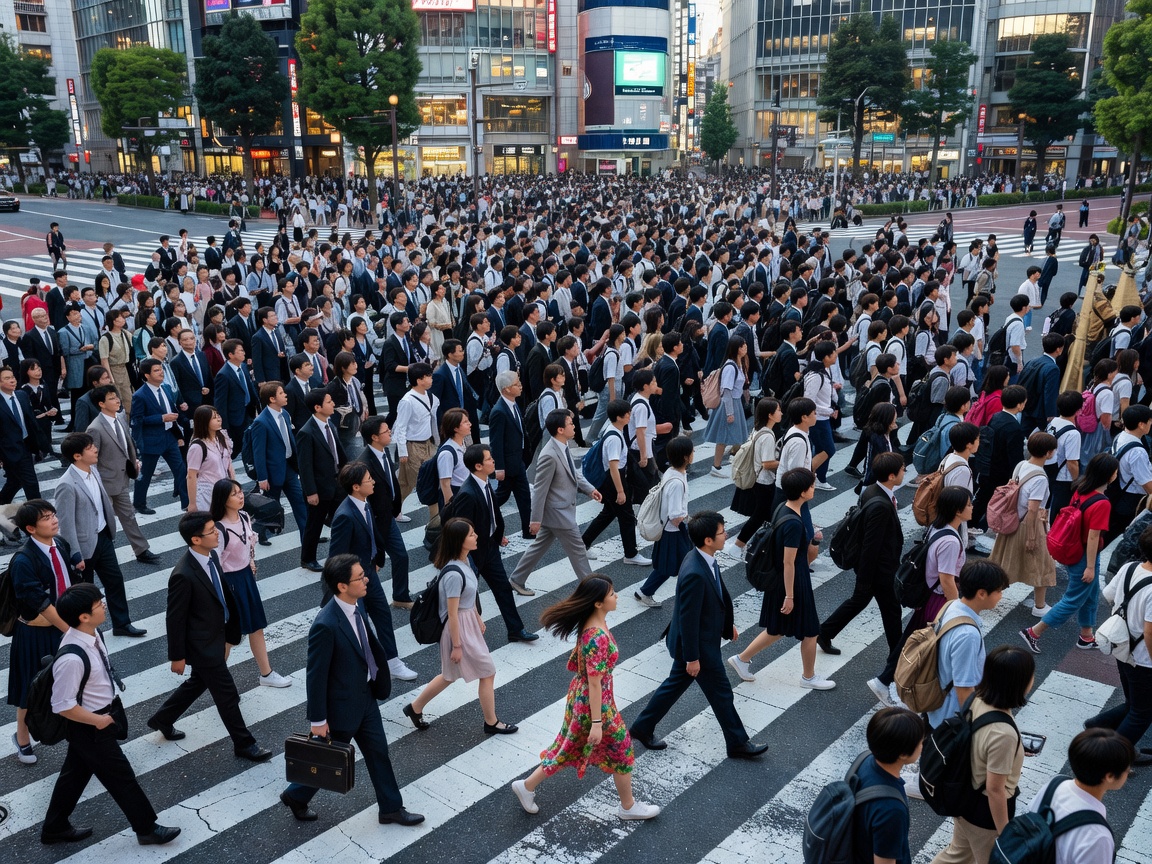
The defining characteristic of Tokyo is its relentless density. To understand how this hyper-scale urbanism functions, spending 24 hours confined strictly to the Shinjuku ward offers an unparalleled case study in vertical living, transit logistics, and layered commercial zoning.
Morning: The Subterranean Labyrinth
Shinjuku Station is officially recognized as the busiest transport hub in the world, processing millions of passengers daily. It is not merely a transit point, but a sprawling, multi-level organism. Committing to exploring its underground network during the morning rush hour highlights the precise flow of human capital in Japan’s capital.
- Navigation Challenges: The station features over 200 exits. GPS signals fail underground, forcing reliance on color-coded overhead signage.
- Commercial Integration: The underground pathways connect directly to major department stores like Keio and Odakyu. The physical boundaries between public transit infrastructure and private retail space dissolve entirely.
The morning atmosphere here is intense but notably quiet. The sheer volume of people contrasts sharply with the lack of ambient conversation, characterized mostly by the mechanical rhythmic sounds of ticket gates and footfalls.
Afternoon: East vs. West Shinjuku
Exiting the station system reveals the stark dichotomy of the ward’s urban planning. The area is cleanly bisected by the train tracks into distinct administrative and entertainment zones.
Nishi-Shinjuku (West): This is the skyscraper district, housing the Tokyo Metropolitan Government Building. The streets are wide, grid-like, and heavily planned. Ground-level pedestrian traffic is surprisingly sparse because movement is routed through elevated walkways. The architecture is imposing, featuring heavy brutalist elements mixed with 1990s glass facades.
Higashi-Shinjuku (East): Crossing to the east side feels like entering a different city. The rigid grid breaks down into narrow, chaotic alleys. This is the historical entertainment district, dominated by retail, arcades, and massive neon facades. The density forces commerce upwards; it is standard to find cafes on the 6th floor, retail on the 3rd, and bars on the 8th floor of a single narrow building.
Evening: Kabukicho and the Micro-Bars
As evening falls, the visual aesthetic of the east side shifts dramatically. The neon lighting is not merely decorative; it serves as a crucial navigation aid in the vertical density. The area of Kabukicho transitions into high gear.
A crucial part of this micro-adventure involves navigating the Golden Gai—a few blocks containing over 200 tiny bars. These structures are architectural anomalies, surviving remnants of post-war Tokyo that escaped modernization.
- Scale: Most bars seat only 5 to 8 people.
- Selection Criteria: Many establishments serve specific niche interests, from 1980s punk rock to obscure cinema. Finding a seat often requires navigating steep, impossibly narrow staircases.
- Pros and Cons: The intimate scale fosters immediate conversation with locals and proprietors (a rare occurrence in the daytime city), but the high cover charges and exclusivity (some bars decline entry to non-regulars) can be prohibitive.
Logistical Considerations
Attempting this 24-hour immersion requires strategic pacing. Shinjuku is overwhelming, both visually and physically. The constant requirement to look up (to find venues) and navigate multi-level spaces causes rapid fatigue. Comfortable footwear is essential, as the step count for navigating just this single district easily surpasses that of exploring multiple neighborhoods in flatter, more traditionally planned cities.
By confining yourself to Shinjuku, you stop treating Tokyo as a map to be crossed and start treating it as an architectural puzzle to be solved vertically.