Pre-Haussmann Fragments: 24 Hours in Le Marais
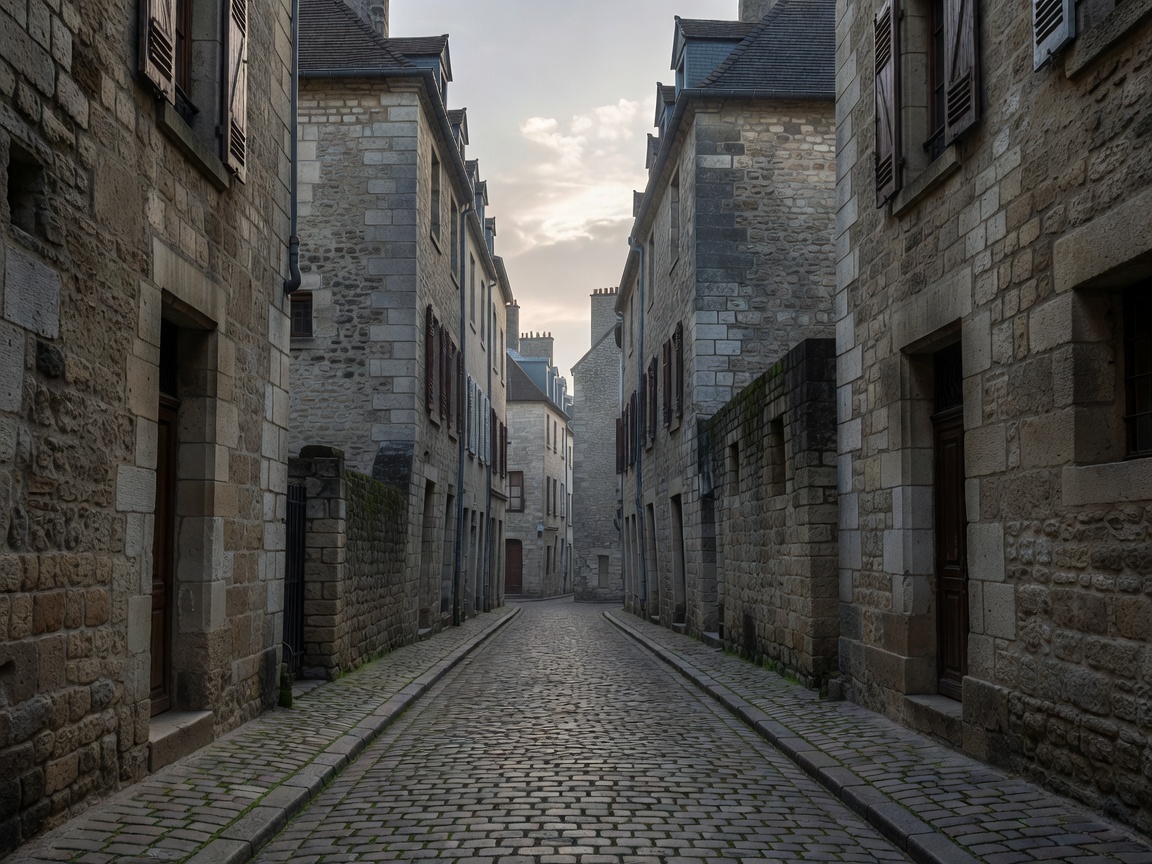
To understand the Paris that existed before the mid-19th-century renovations, you must confine yourself to Le Marais. Spanning parts of the 3rd and 4th arrondissements, this district escaped the massive demolition that created the wide, uniform boulevards associated with modern Paris. Spending a full 24 hours here is an exercise in navigating historical layers and intimate urban spaces.
Morning: The Medieval Street Pattern
The geography of Le Marais is notably convoluted. The streets do not follow a grid; they curve, dead-end, and frequently narrow to widths that barely allow a single vehicle to pass.
- Pedestrian Dominance: Due to the restricted road widths, walking is not just the best way to get around—it is often the only efficient way. The morning is the ideal time to observe local commercial activity before the heavy influx of afternoon tourists. Bakery deliveries and street-cleaning crews negotiate tight corners with remarkable precision.
- Architectural Heritage: The area is dense with *hôtels particuliers* (grand aristocratic townhouses) built in the 17th century. Walking these streets reveals massive wooden carriage doors that hide expansive private courtyards from the public gaze.
The lack of vast, open sightlines forces a micro-focus. Navigation relies on landmarks at intersections rather than distant monuments.
Afternoon: Squares and Courtyards
The defining structural feature of Le Marais is its enclosed spaces. Unlike the sprawling expanses of the Place de la Concorde, the public squares here are walled and intimate.
Place des Vosges: The oldest planned square in Paris. Its perfect symmetry and uniform red-brick facades contrast sharply with the chaotic streets immediately outside its walls. It functions as an urban living room. Sitting in the central park for an extended period reveals the strict social zoning: distinct areas for children, distinct paths for rapid transit, and specific benches occupied by long-term residents.
Hidden Gardens: Many of the historic mansions have been converted into public museums, meaning their formal gardens are now open to exploration. Finding these small green spaces hidden behind high stone walls provides necessary respite from the dense, stone-heavy environment of the streets.
Evening: Cultural Collision
Le Marais is historically complex, having served as the aristocratic center, then a decaying industrial slum, and later the core of the city’s Jewish and LGBTQ+ communities. By evening, these layers become visibly active.
The Rue des Rosiers remains the heart of the historic Jewish quarter, lined with delis and bakeries that stay active well into the night. Moving slightly north, the atmosphere shifts entirely to dense clusters of contemporary bars, galleries, and boutique retail.
- Density Constraints: The small interior dimensions of the historic buildings mean that evening social life heavily spills out onto the sidewalks and streets. The distinction between public thoroughfare and private commercial space dissolves completely.
- Acoustics: The narrow, stone-lined streets amplify sound. The ambient noise of conversation and glassware bounces between buildings, creating a high-energy, immersive acoustic environment that is entirely different from the diffused noise of the wider boulevards.
The Case for Constraint
Leaving Le Marais often feels like stepping into a completely different city. The wide, sweeping avenues constructed by Haussmann emphasize grandeur and speed. Le Marais, by contrast, enforces slow, deliberate movement. Spending 24 hours locked within its borders trains the eye to look for details—a carved doorway, a hidden courtyard, an asymmetrical roofline—rather than distant horizons.