Canyons of Capital: Exploring Lower Manhattan
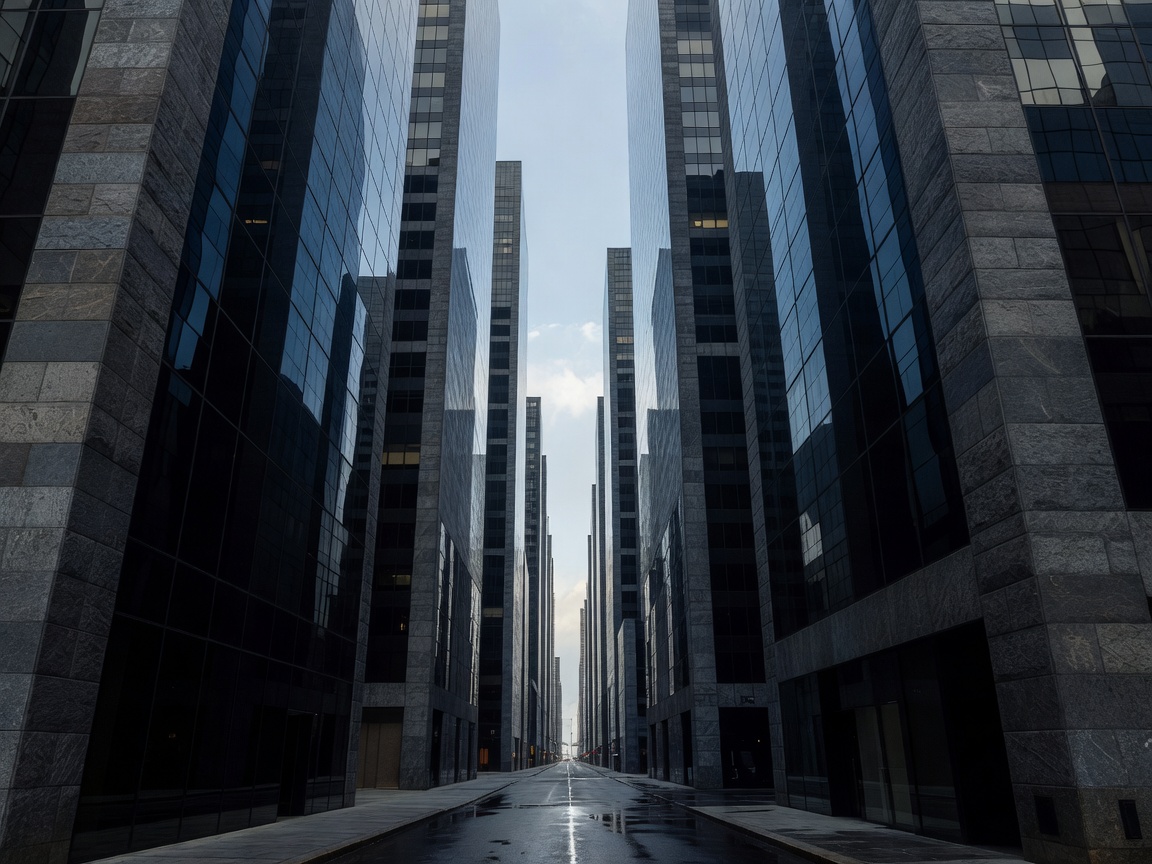
Most visitors to New York spread their time across the vast grid system of Midtown or the sprawling boroughs. A 24-hour micro-adventure confined exclusively to Manhattan below Chambers Street forces an engagement with the city's oldest, most erratic street patterns, hemmed in by water on three sides and towering financial monuments above.
Morning: The Original Grid
Lower Manhattan famously defies the standard New York grid system. The streets trace the original 17th-century Dutch settlement of New Amsterdam. Navigating this area on foot during the morning rush hour highlights the immense verticality of the Financial District.
- Shadows and Light: The streets—like Wall, Broad, and Pine—are incredibly narrow compared to the height of the skyscrapers. Direct sunlight only penetrates to the street level for brief periods. The resulting micro-climate is often colder and windier than the rest of the city.
- Architectural Density: The stone facades of early 20th-century banks sit uncomfortably close to sheer glass modern towers. The density feels oppressive but awe-inspiring, a physical manifestation of concentrated capital.
Observing the morning commute here is a study in volume. Thousands of workers emerge from the subway hubs at Fulton Street and the Oculus, moving rapidly through the narrow "canyons."
Afternoon: The Perimeter and the Water
Escaping the claustrophobia of the interior streets requires heading to the perimeter. Battery Park and the waterfront esplanades provide the necessary visual relief.
The Edge Conditions: Walking the perimeter from the East River around the tip to the Hudson River exposes the maritime history that birthed the city. The Staten Island Ferry terminal represents a crucial hub of constant motion, offering free transit across the harbor and framing views of the Statue of Liberty against industrial container ships.
Land Reclamation: Much of the western edge (Battery Park City) is built entirely on land excavated during the construction of the original World Trade Center. It stands in stark contrast to the historical interior: heavily planned, rigorously landscaped, and eerily quiet.
Evening: The Great Emptying
The defining characteristic of the Financial District is its transformation at night. Despite recent pushes toward residential conversions, large tracts of the area still function purely as commercial zones.
By 7:00 PM, the density evaporates. The massive stone buildings that felt bustling in the morning take on a monolithic, silent quality. Walking down Wall Street at night is a surreal experience; the monumental architecture—designed to project power and permanence—stands entirely empty.
- Dining Constraints: Because the district caters heavily to office workers, many traditional lunch spots and cafes close early. Evening options are often clustered in specific zones like Stone Street, a cobblestone alley that becomes packed with outdoor seating, standing in sharp contrast to the silent avenues a block away.
- Navigation: The irregular street grid, confusing enough by day, becomes a labyrinth at night. Without the flow of crowds to indicate major thoroughfares, dead ends and looping streets are common.
The Verdict on Downtown Immersion
Confining a 24-hour stay to Lower Manhattan is an exercise in extremes. You experience the highest density of human movement and architectural mass in the morning, followed by isolation and historical quiet in the evening. It requires an appreciation for urban history and an acceptance of the area's rigid boundaries. It is not the most varied district for nightlife, but it remains the most structurally imposing environment in the United States.