Brutalism & Tides: 24 Hours on the South Bank
London’s geography is inherently tied to the River Thames. A micro-adventure spanning from Westminster Bridge to Tower Bridge on the southern side of the river isolates a cross-section of post-war utopian planning, heavy industry remnants, and contemporary cultural capital. This 24-hour constraint focuses entirely on pedestrian infrastructure and architectural evolution.
Morning: The Concrete Utopia
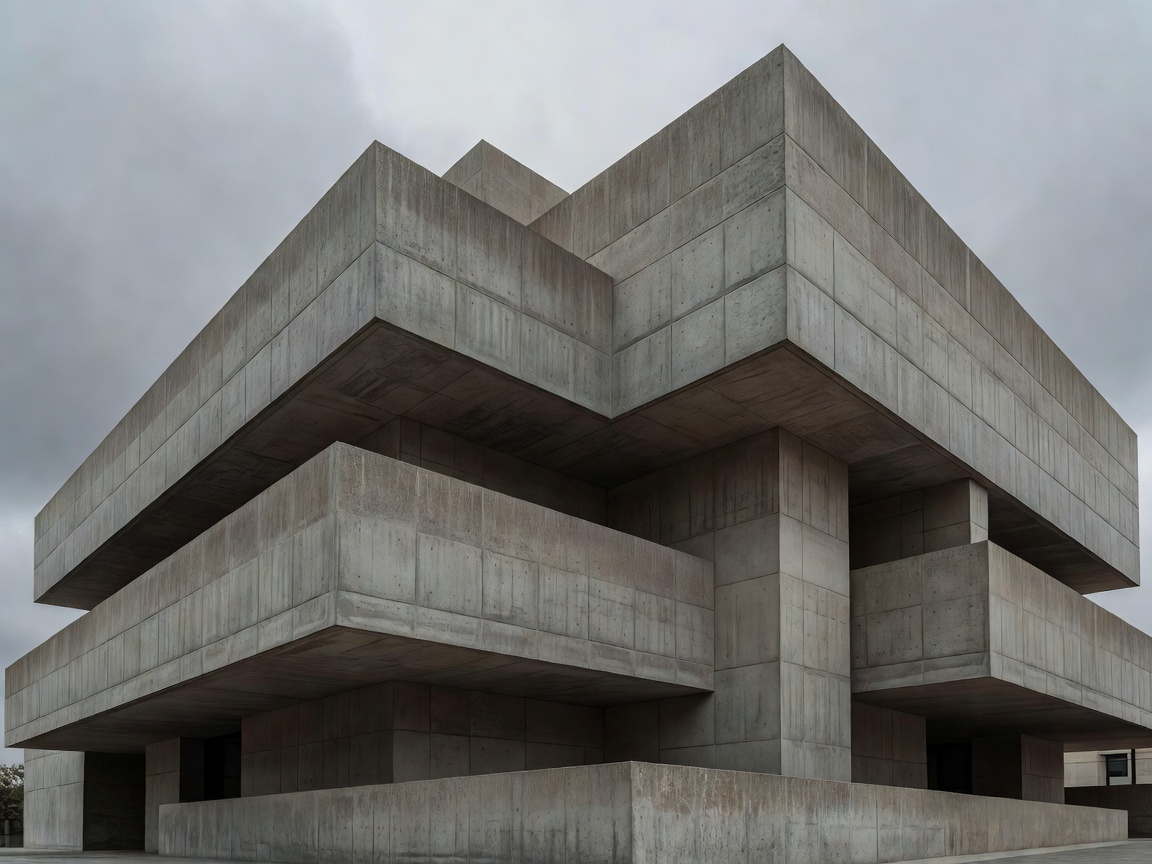
The western edge of the South Bank is dominated by the legacy of the 1951 Festival of Britain. Starting the day here involves navigating a heavily constructed, multi-level environment defined by raw concrete.
- Architectural Scale: Buildings like the National Theatre and the Southbank Centre are imposing. They represent a specific era of civic investment. The layered terraces provide exceptional vantage points over the river, contrasting the heavy, immovable concrete with the fast-moving, tidal water.
- Pedestrian Flow: The morning commute reveals how this space operates dynamically. Cyclists and pedestrians navigate a complex series of underpasses, ramps, and elevated walkways designed in an era prioritizing segregation of traffic.
The aesthetic is polarizing; proponents admire the stark geometric honesty of the materials, while critics find the sprawling gray structures oppressive. However, spending hours moving through these spaces forces an appreciation of their spatial complexity.
Afternoon: Market Dynamics and Industrial Conversion
Moving eastward toward London Bridge, the environment shifts from mid-century civic planning to Victorian industrial remnants.
Borough Market: Situated beneath railway viaducts, this area represents the commercial heart of the district. The transition from the wide, windswept promenades of the cultural quarter to the dense, clustered alleys of the market is jarring. The architecture here is characterized by wrought iron, exposed brick, and the constant rumble of trains overhead.
The Tate Modern: The ultimate example of industrial adaptation. The massive former Bankside Power Station commands the shoreline. The turbine hall’s vast interior scale dwarfs human visitors. Observing the space as public infrastructure rather than just an art gallery highlights how industrial bones can dictate modern cultural behavior.
Evening: The Tides and Riverside Nightfall
The Thames is tidal, fluctuating significantly throughout the day. By evening, observing the shoreline reveals muddy banks and historical debris, a reminder of the river's working history.
As the sun sets, the focus shifts to the northern bank. The South Bank acts as a viewing platform for the City of London. The skyscrapers across the water light up, highlighting the contrast between the historical, somewhat gritty southern pedestrian path and the gleaming financial monoliths on the opposing shore.
- Lighting: The pathway is unevenly lit. Modern installations near the major galleries give way to darker, narrower passages closer to Southwark Cathedral and the Golden Hinde reconstruction.
- Atmosphere: The density of tourists drops dramatically past 9 PM, leaving the riverside path to late-night walkers and the ambient noise of the dark, fast-moving river.
Comparative Analysis: The Value of the South Bank
Unlike the West End, which spreads outward in a chaotic sprawl of retail and theatres, the South Bank forces a linear journey. You can only move east or west. This geographical constraint is what makes it a perfect 24-hour study.
The primary advantage of this itinerary is its almost entirely pedestrian nature; one can spend a full day here without ever needing to cross a road containing vehicular traffic, provided they stay strictly to the riverside paths. The primary disadvantage is exposure to the elements—the Thames acts as a wind tunnel, making weather a critical factor in how the spaces are experienced.
Staying anchored to this specific strip of concrete and brick reveals how London continuously overwrites its industrial past with cultural capital, all while dictated by the unyielding path of the river.